Skip to content
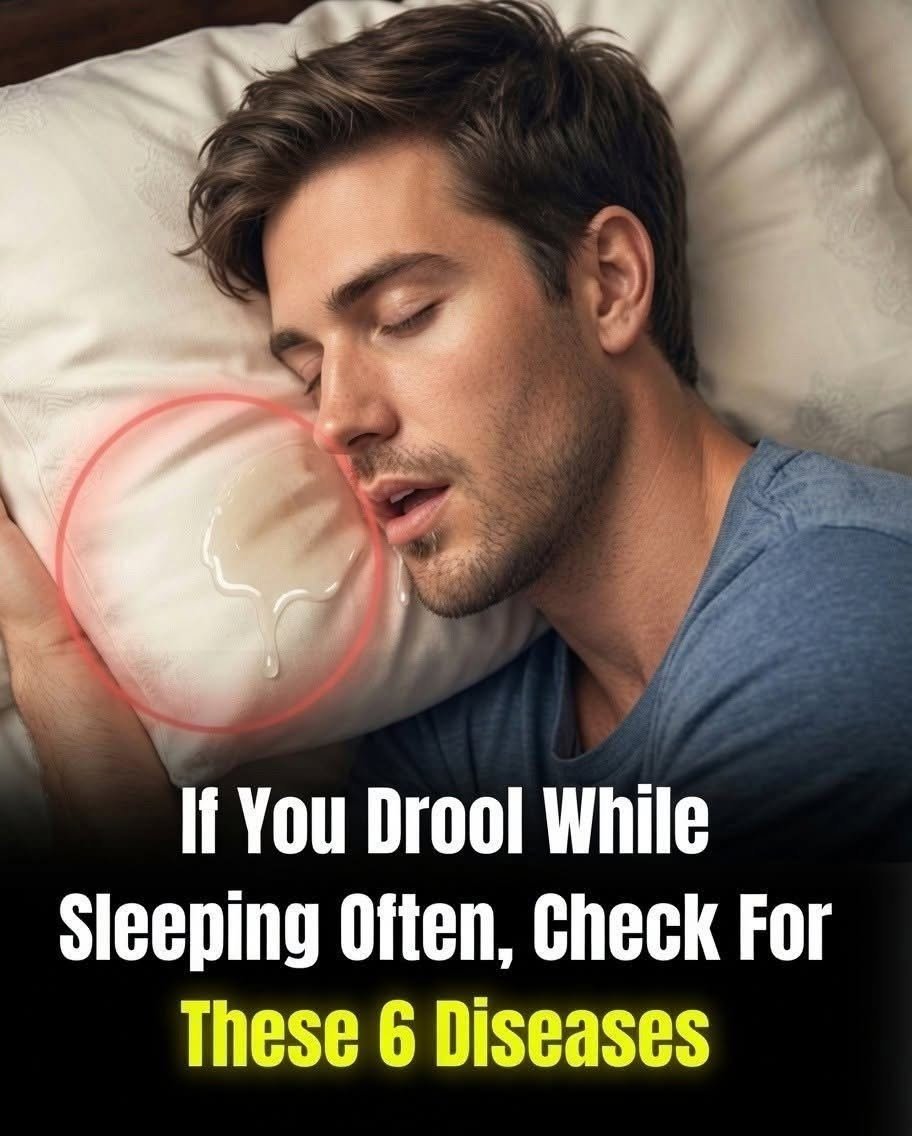
6 Conditions Linked With Frequent Nighttime Drooling
- Obstructive Sleep Apnea (OSA)
Sote waqt breathing repeatedly ruk sakti hai, jis se mouth breathing aur drooling ho sakti hai.
Other signs: loud snoring, gasping/choking during sleep, morning headaches, daytime sleepiness.
- Nasal Congestion / Chronic Rhinitis
Blocked nose ki wajah se person mouth se breathe karta hai, jis se saliva pillow par leak ho sakta hai.
Other signs: stuffy nose, sneezing, postnasal drip.
- GERD (Acid Reflux)
Acid reflux kabhi-kabhi saliva production increase kar sakta hai, especially nighttime mein.
Other signs: heartburn, sour taste, throat irritation, nighttime cough.
- Difficulty Swallowing (Dysphagia)
Agar saliva normally swallow nahi ho raha, to mouth mein saliva accumulate hokar drooling ho sakti hai.
Warning signs: food getting stuck, coughing/choking while eating, wet/gurgly voice.
- Neurological Disorders
Kuch neurological conditions swallowing aur facial-muscle control ko affect kar sakti hain, jis se excessive drooling ho sakti hai.
Examples: Parkinson’s disease, stroke, ALS, multiple sclerosis.
- Sleep-Related Mouth Breathing / Enlarged Tonsils or Adenoids
Mouth breathing, especially children mein enlarged tonsils/adenoids ki wajah se, nighttime drooling ko increase kar sakti hai.
Other signs: snoring, restless sleep, sleeping with mouth open.