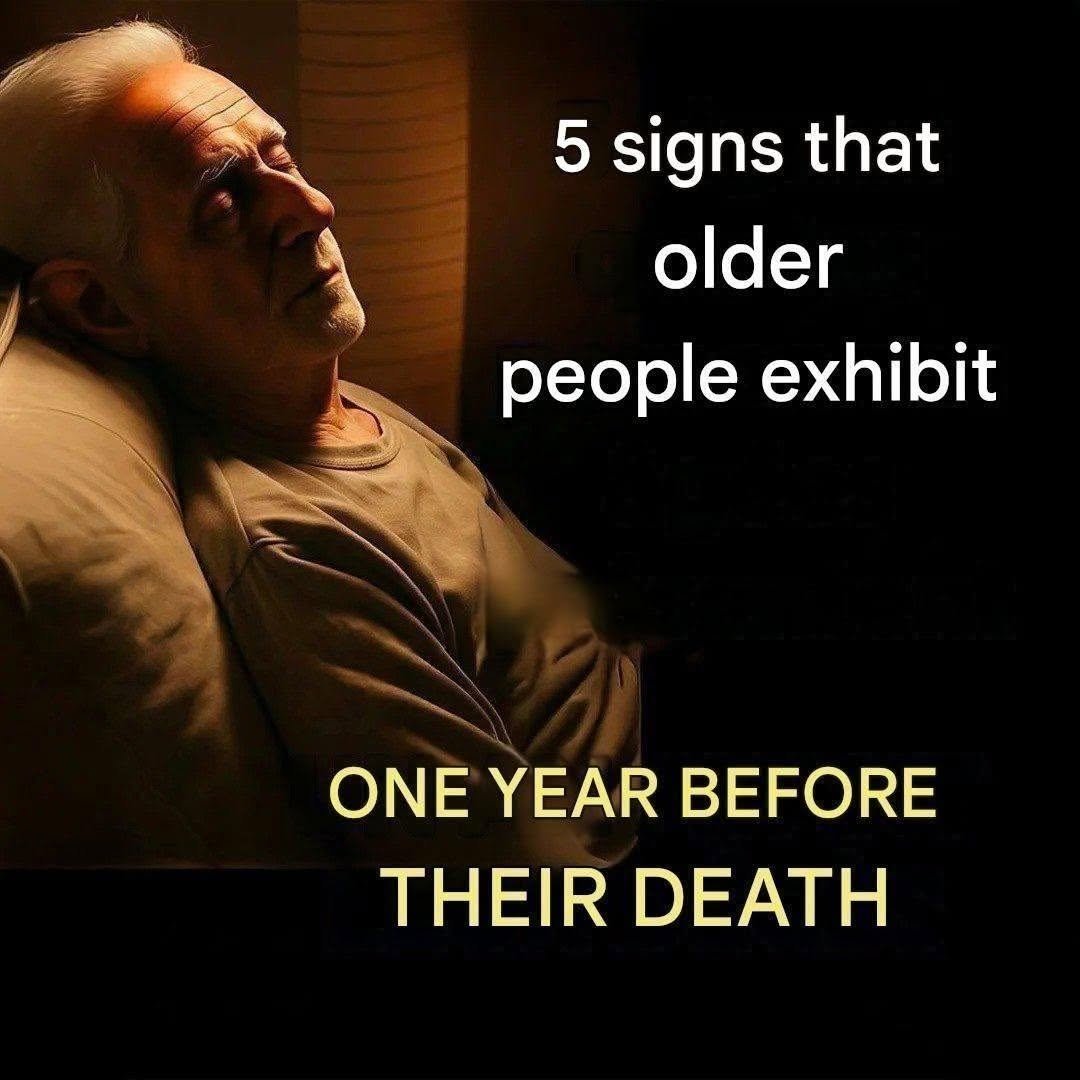
PART 2 — 5 Warning Signs an Elderly Loved One May Need More Care
Sometimes the people we love don’t ask for help.
They say, “I’m fine.”
They insist they can handle everything themselves.
And because they have always been independent, we may believe them.
But aging can bring subtle changes that are easy to overlook. Sometimes the biggest warning signs aren’t dramatic—they appear slowly in everyday life.
1. They suddenly stop taking care of themselves
If someone who once showered regularly, dressed neatly, or kept their home organized suddenly begins neglecting these things, don’t simply assume they’re becoming lazy.
Difficulty with daily activities, low mood, physical limitations, or memory problems may be contributing.
A gentle conversation can reveal much more than criticism ever will.
2. The kitchen starts telling a different story
Pay attention if food regularly expires, the refrigerator is nearly empty, meals are skipped, or your loved one seems to forget whether they’ve eaten.
Cooking may have become physically difficult—or something else may be making it harder for them to manage independently.
One simple question can help:
“Would you like me to help you plan some meals this week?”
3. Bills, medications, or appointments are being forgotten
A missed appointment once in a while happens to everyone.
But repeated unpaid bills, duplicate purchases, missed medications, or forgotten appointments can be a sign that your loved one needs additional support.
Don’t immediately take everything away from them.
Instead, ask how you can make these tasks easier.
4. Their balance or walking has changed
If an older person suddenly becomes unsteady, holds onto furniture while walking, avoids stairs, or has had even one fall, take it seriously.
Falls can cause serious injuries, and changes in balance can sometimes have an underlying medical cause.
Their healthcare professional can help determine what is contributing and whether changes at home could make things safer.
5. They become unusually withdrawn
This is one of the easiest signs to miss.
Maybe they stop answering the phone.
They no longer want to attend family gatherings.
They stop doing hobbies they once enjoyed.
Or they spend most of the day alone.
Sometimes loneliness, depression, pain, grief, or loss of independence is hiding behind the words, “I just don’t feel like going.”
The most important thing to remember…
Needing more help doesn’t mean someone has failed.
It means their needs may have changed.
Instead of waiting for a crisis, start the conversation early.
Sit beside them.
Listen.
Ask what they are struggling with.
And most importantly, let them keep as much independence and dignity as possible while giving them the support they actually need.
If a change is sudden, severe, or accompanied by confusion, weakness, trouble speaking, chest pain, difficulty breathing, or a fall with injury, seek urgent medical attention.
Because sometimes, the warning sign isn’t that an elderly person asks for help.
It’s that they stop asking altogether.
#HealthyAging #ElderlyCare #SeniorCare #FamilyCare #AgingParents #Caregiving #HealthAwareness #Part2