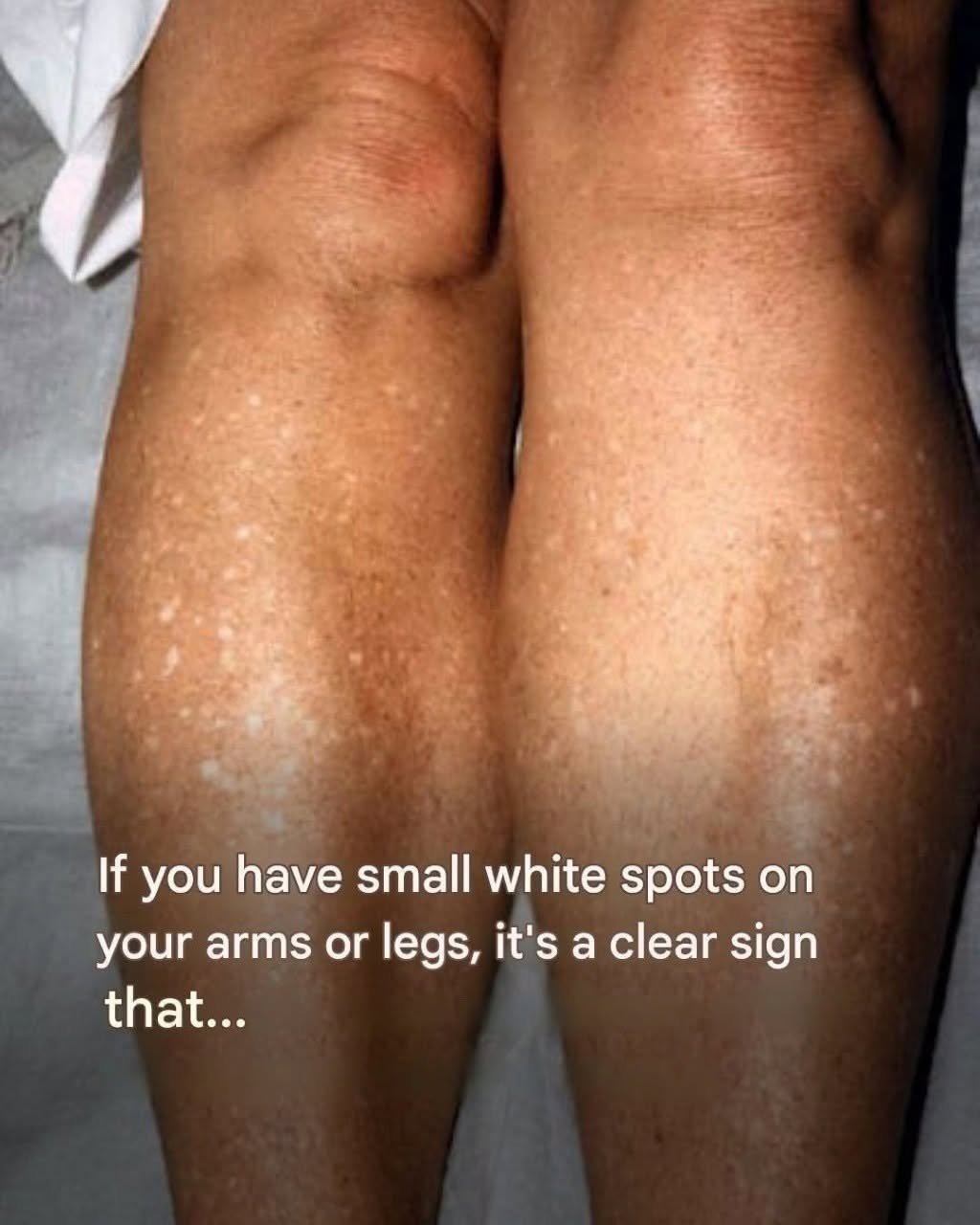
Why Do White Spots Appear on the Skin in Summer — and How Can You Treat Them?
If you notice small white or lighter patches on your skin every summer, don’t automatically assume it is vitiligo. One of the most common explanations is tinea versicolor, a superficial yeast overgrowth that becomes more noticeable in warm, humid weather and with sweating. (American Academy of Dermatology)
Tinea versicolor can produce lighter or darker patches, sometimes with fine scaling or mild itching. The spots can look especially obvious after tanning because the affected areas don’t tan normally. (American Academy of Dermatology)
What can you do?
For mild tinea versicolor, dermatologists may recommend antifungal treatments such as selenium sulfide, or creams containing miconazole, clotrimazole, or terbinafine. Treatment choice depends on the location and extent of the affected skin. (American Academy of Dermatology)
An important point: the fungus can clear before your normal skin color returns. The lighter areas may remain visible for weeks or even months while pigmentation gradually returns. Sun protection can make the contrast less noticeable. (American Academy of Dermatology)
But what if it isn’t tinea versicolor?
White patches can have several causes, including vitiligo, eczema-related pigment loss, psoriasis, or pigment changes after an injury or inflammation. Vitiligo typically produces clearly lighter or completely white patches because pigment-producing cells are being destroyed. (American Academy of Dermatology)
That’s why repeatedly treating unexplained white patches with antifungal products isn’t ideal. If the spots are new, spreading, completely white, persistent, or not improving, a dermatologist can examine them and determine the actual cause. (American Academy of Dermatology)
And whatever the cause, protect the affected skin from the sun with broad-spectrum SPF 30+ sunscreen, because lighter areas can be more vulnerable to sunburn and tanning can make the contrast more noticeable. (American Academy of Dermatology)
Bottom line: White spots that appear or become more obvious in hot, humid summer weather are often caused by tinea versicolor—but appearance alone isn’t enough to diagnose it. A dermatologist can distinguish it from vitiligo and other causes and recommend the appropriate treatment.