Washington is facing renewed pressure over the release of the Jeffrey Epstein files, as Congress continues reviewing records connected to the late financier and convicted sex offender’s network of powerful contacts.
The issue has returned to the center of national debate after thousands of pages of Epstein-related documents were made public under the Epstein Files Transparency Act, which President Donald Trump signed into law in November 2025. The Justice Department later announced that it had published more than 3.5 million responsive pages connected to the law, including records, images, videos, and investigative material.
The files have drawn major public attention because they include references to several high-profile political, business, and public figures. However, being named in Epstein-related documents does not automatically mean wrongdoing. Many names appear because of social contacts, flight logs, photographs, business connections, interviews, tips, or previously public material.
Several prominent figures have faced questions over their past association with Epstein. Bill Clinton and Donald Trump have both previously said they had no knowledge of Epstein’s abuse of underage girls, and public victims have not accused either man of wrongdoing, according to AP reporting on earlier file releases.
Bill Gates has also addressed his association with Epstein, describing it publicly as a serious mistake. Other public figures, including Howard Lutnick, have denied wrongdoing or said their contacts with Epstein were limited. A Commerce Department spokesperson said Lutnick had “limited interactions” with Epstein and had never been accused of wrongdoing.
The most politically sensitive part of the debate involves documents that include unverified allegations connected to President Trump. The Justice Department released additional Epstein files in March 2026 that included uncorroborated accusations involving Trump, which the department said had been mistakenly withheld during an earlier review. Trump has denied wrongdoing, and no law enforcement agency has accused him of a crime in connection with Epstein.
Supporters of releasing the files argue that the public deserves full transparency, regardless of which powerful names appear in the records. They say the Epstein case has long raised questions about wealth, influence, prosecution decisions, and whether powerful people received special protection.
Critics warn that the files must be handled carefully because many documents contain unverified claims, victim information, private personal details, and investigative material that may not prove criminal conduct. Legal experts often note that documents in an investigation can include rumors, tips, interviews, photographs, and contact records that require context before conclusions are drawn.
The controversy has also expanded beyond Washington. New Mexico filed a lawsuit against the U.S. Department of Justice seeking access to unredacted Epstein-related files tied to Epstein’s former Zorro Ranch near Santa Fe. The state says it needs those records to continue investigating possible abuse connected to the property, while the DOJ says privacy laws and court orders limit what it can release.
The New Mexico case has added pressure on federal officials, as state investigators argue that access to the full records may help identify victims, witnesses, and others who may have knowledge of criminal activity. The DOJ has said it has partially complied but must protect victim identities and follow existing legal restrictions.
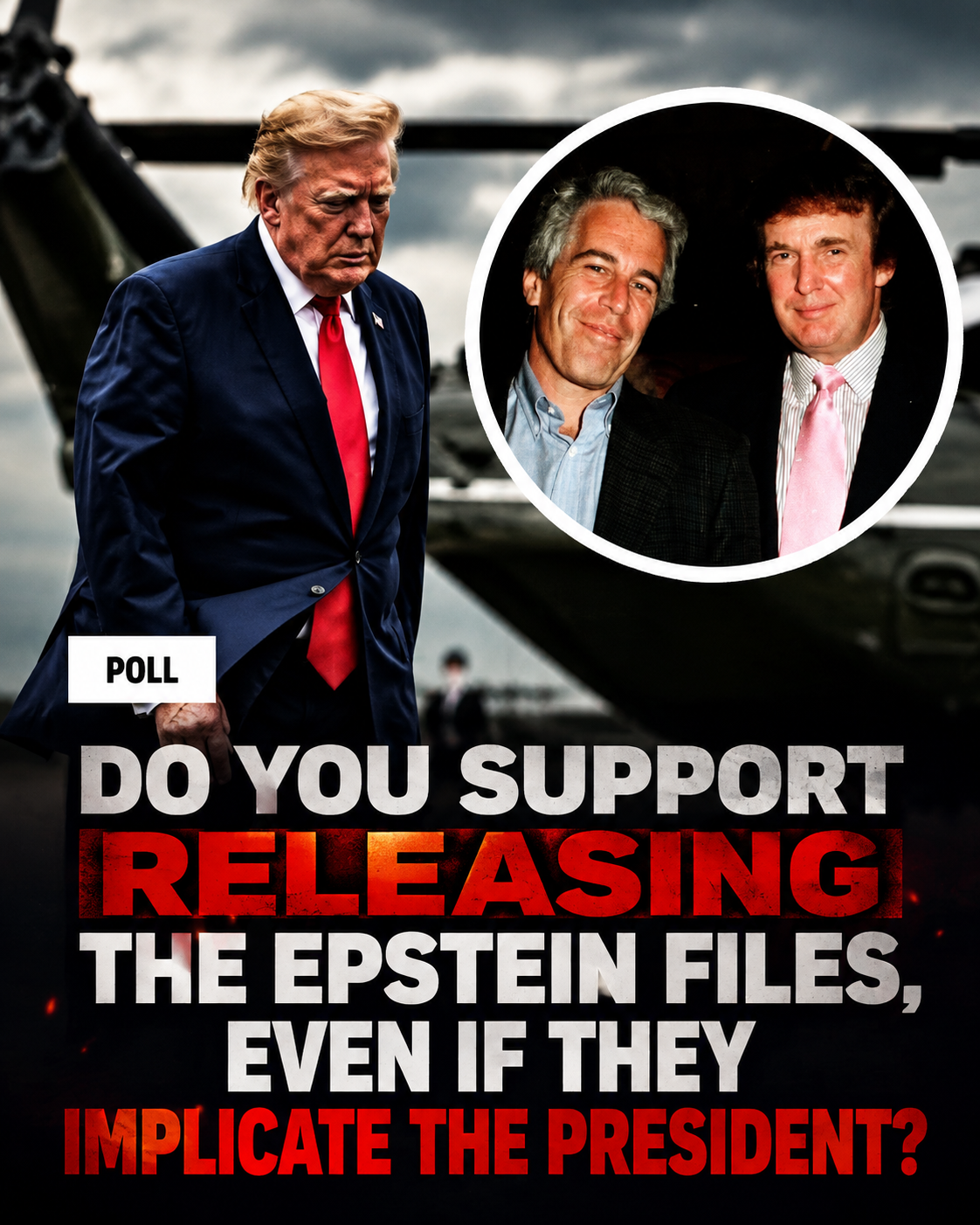
The online image asking whether people support releasing the Epstein files “even if they implicate the president” reflects the larger public debate now unfolding. For many Americans, the issue is not only about Trump, Clinton, Gates, or any other famous name. It is about whether the government will fully reveal what it knows about Epstein’s network and whether survivors will receive justice.
For now, Congress continues reviewing the records, lawsuits over access are moving forward, and public pressure remains intense. The central question remains: how much of the Epstein archive can be released without harming victims, spreading unverified allegations, or hiding information that the public has a right to know?